

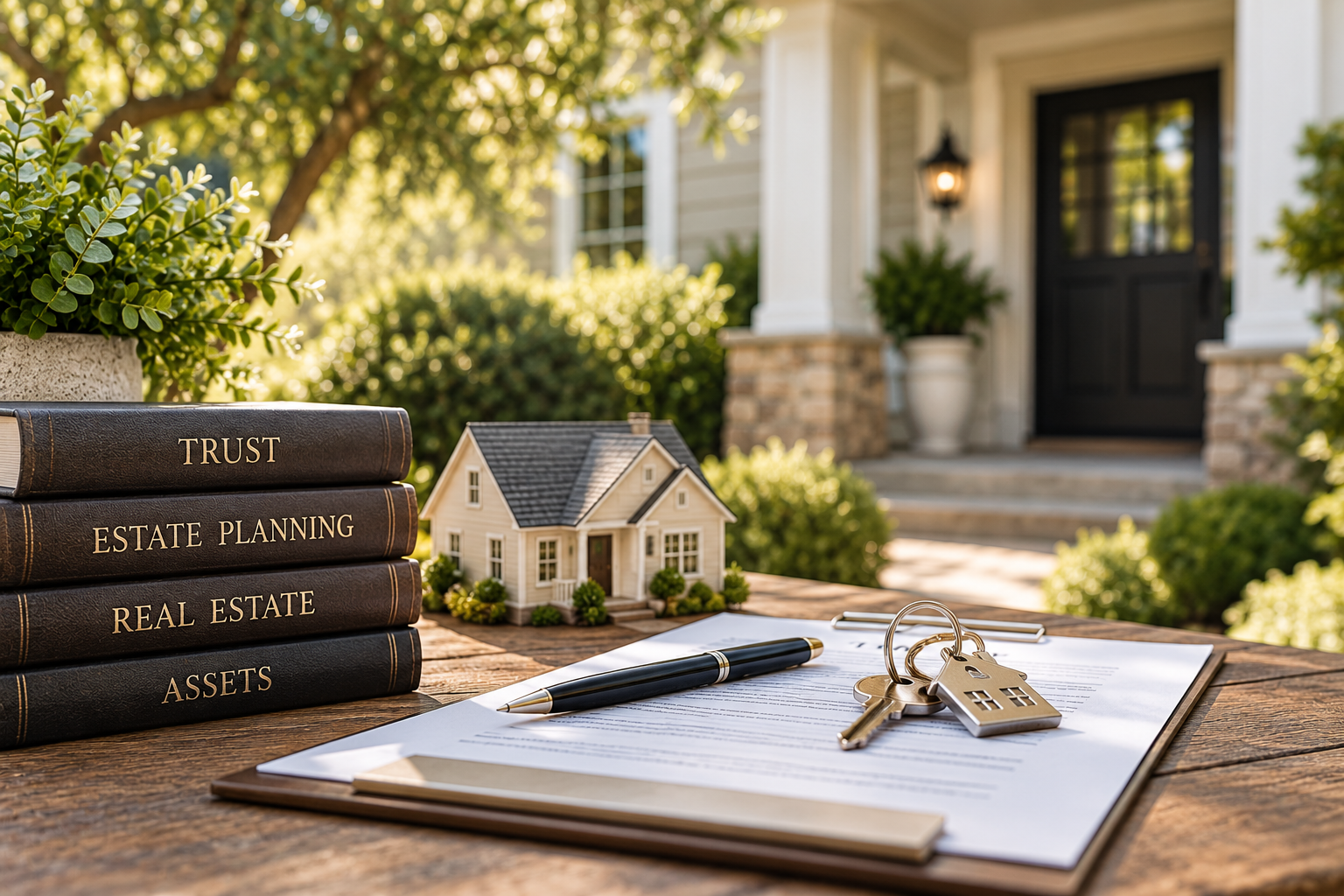
Selling a home in a trust can feel very different from a traditional real estate sale. As a trustee, you may be responsible for the property while also managing beneficiaries, personal belongings, repairs, paperwork, and important financial decisions.
The process can seem complicated, but a clear plan can make it much more manageable. Here are some of the most important things to consider before moving forward.

Start With the Property
Before making decisions about the sale, take a close look at the home.
What condition is it in? Is anyone currently living there? Does it contain personal belongings that need to be sorted or removed? Are there repairs or maintenance issues that should be addressed?
Some trust properties need very little preparation. Others may require an estate sale, clean-out, repairs, landscaping, or additional work before going on the market.
Evaluating the property first allows you to create a plan based on what the home actually needs.
Decide Whether to Sell As-Is or Make Improvements
One of the biggest decisions when selling a home in a trust is whether to sell the property in its current condition or make improvements first.
There isn’t one answer that works for every home.
An as-is sale may make sense when the property needs significant work or when the trust prioritizes a simpler, faster sale. In other situations, strategic improvements may help attract more buyers and increase the home’s marketability.
That doesn’t necessarily mean completing a major renovation. Cleaning, fresh paint, landscaping, minor repairs, and thoughtful presentation can sometimes make a significant difference.
Before spending money, consider which improvements are likely to benefit the sale and which ones may not provide enough return.
Keep Beneficiaries Informed
Communication can make a significant difference throughout a trust sale.
Beneficiaries may have questions about the property’s value, repairs, listing price, offers, or timeline. Providing updates throughout the process can help everyone understand what is happening and reduce unnecessary confusion.
Trustees also have fiduciary responsibilities when managing trust assets. For questions about the trust, distributions, taxes, or legal obligations, consult the appropriate attorney, CPA, or other qualified professional.
Prepare More Than Just the House
Getting a trust property ready for market often involves much more than preparing the home itself.
You may need to coordinate:
- Estate sales or personal property removal
- Cleaning and junk removal
- Repairs and landscaping
- Property maintenance and security
- Insurance for a vacant property
- Vendors and contractors
- Listing preparation and marketing
Handling these tasks can become especially challenging for a trustee who lives outside the area.
Working with a real estate professional experienced in trust property sales can help you coordinate the real estate side of the process and keep everything moving forward.
Create a Strategy for the Sale
Every trust property is different, which means every sale needs its own strategy.
A home in excellent condition may be ready to list almost immediately. Another property may benefit from several weeks of preparation. In some cases, selling as-is may make the most sense.
Your strategy should consider the property’s condition, the local real estate market, the needs of the trust, and the timeline for the sale.
Taking time to establish that strategy before listing can prevent unnecessary expenses and delays later.
Moving Forward
Selling a home in a trust doesn’t have to mean managing every detail on your own.
Start by evaluating the property, identifying what needs attention, and creating a plan that fits the circumstances of the trust. The right guidance can help you determine what is worth doing—and what isn’t—before the home goes on the market.
Every trust property comes with its own circumstances, and having the right support can make the process much easier. Our team is here to help you understand your options, coordinate the details, and move forward with a plan that makes sense for the property and the trust.
Have questions about selling a home in a trust? Contact us to discuss your situation and next steps.
Leave a Reply