

Keeping Beneficiaries Aligned During Fall Trust Property Sales
As the fall real estate market gains momentum, many families are preparing to sell inherited homes and properties held in trust. For trustees, this season can bring both opportunity and complexity. Trust property sales require a balance between legal responsibilities, family dynamics, and timely decision-making — especially when multiple beneficiaries are involved.
Selling a home held in a trust is more than just a real estate transaction — it’s often an emotional experience. During the busy fall property market, trustees are under pressure to meet buyer demand while keeping multiple beneficiaries informed and aligned. The key to success lies in clear communication, professional support, and a focus on the shared goal.
Why Fall Can Add Extra Pressure
September and October are some of the most active months in real estate. Buyers want to get into a new home before the holidays, and competition can heat up quickly. While this is great for sellers, it also means decisions need to be made promptly. For trustees, that urgency can sometimes lead to tension among beneficiaries who may not see eye-to-eye.

1. Start With Clear Communication
Transparency builds trust — and trust builds cooperation. Start by outlining the sales timeline, market updates, and your real estate agent’s recommendations.
In addition, provide regular updates via email or video calls. When beneficiaries stay informed, misunderstandings decrease and decision-making becomes easier.
Tip: Create a shared folder with documents and updates to help everyone access the same information.


2. Clarify Roles and Responsibilities
As the trustee, you have a legal duty to act in the best interests of the trust. While beneficiaries can share their thoughts and preferences, the final decisions ultimately rest with you. Setting clear expectations early helps minimize confusion and tension later in the process.
At the same time, it’s important to listen to beneficiaries’ perspectives with empathy and transparency. When people feel heard, they’re more likely to stay cooperative and aligned.
For a more detailed look at the process, check out this helpful guide from Grossman Law Offices on selling a house as a trustee
3. Address Emotions With Empathy
Inherited homes often carry deep emotional value. Therefore, acknowledge the personal connections beneficiaries may have to the property. Taking time to validate their feelings can help them feel heard and reduce resistance to the sale.
Remember, empathy doesn’t delay progress — it builds unity and trust during a stressful process.

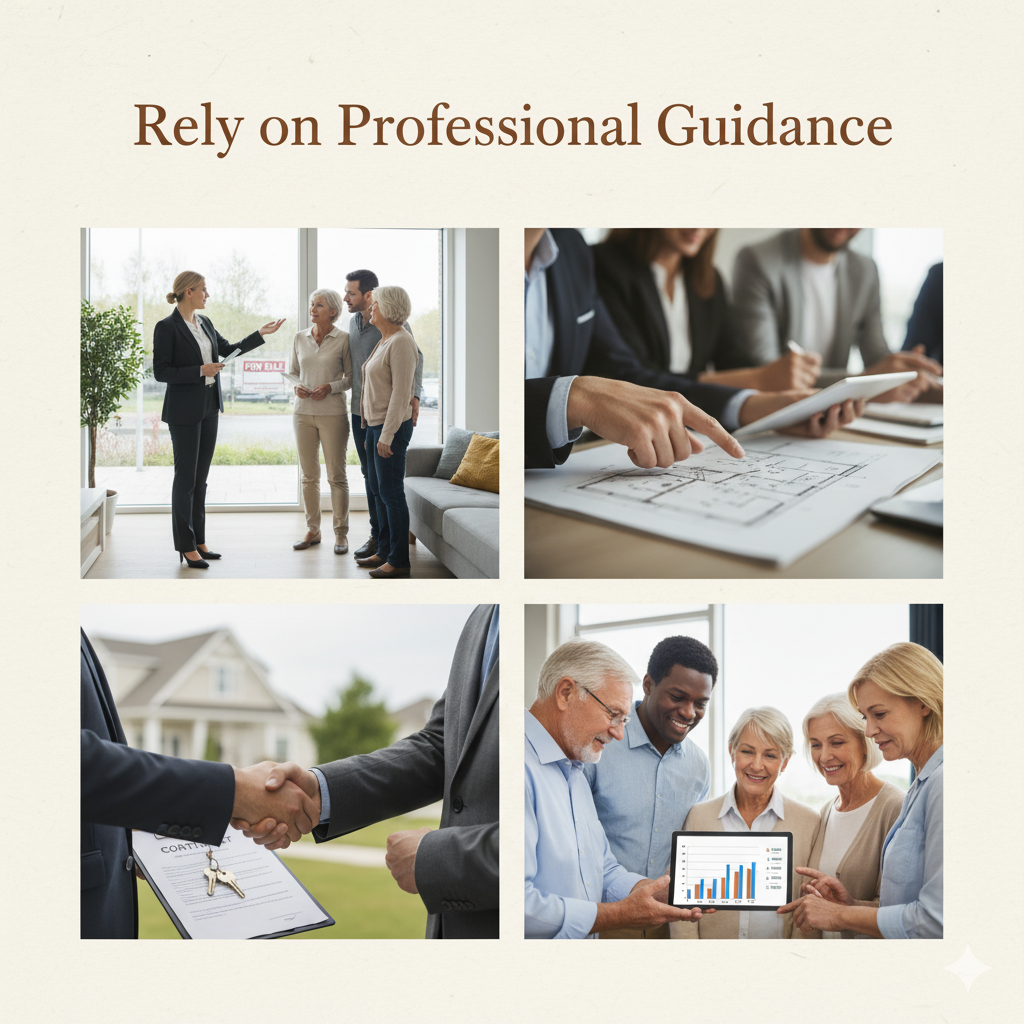
4. Rely on Professional Guidance
A real estate professional who specializes in trust and probate property sales can be a game changer. When disagreements arise over pricing, repairs, or offers, a neutral expert can provide objective, market-based recommendations.
Additionally, having a professional involved removes emotional pressure and helps all parties focus on facts and outcomes rather than opinions.
For reliable information on managing trust sales in California, visit the California Courts Trust Overview.
5. Keep the End Goal in Focus
Ultimately, the goal is to honor the terms of the trust and maximize the property’s value for all beneficiaries. By emphasizing that shared purpose, it becomes easier to move past small disputes and work together toward a successful closing.
Whenever disagreements arise, revisit the main goal: a fair, efficient sale that benefits everyone involved.

Staying Aligned for a Successful Trust Sale
The fall real estate market brings valuable opportunities for trust property sales, but success depends on how well everyone stays aligned. With open communication, clear expectations, and the right professional support, trustees can guide the process with confidence and reduce stress for everyone involved.
Whether this is your first trust sale or simply the most meaningful one, focusing on collaboration and shared goals can turn a complex transaction into a positive outcome for all.
If you’re ready to learn more about navigating trust or probate real estate with clarity and support, explore our services at SoCal Trust and Estates.
Leave a Reply